
Match the use case
Demand, location and operating conditions should determine the technology choice.

Power solutions designed around demand, delivery conditions and whole-life performance.
Renewable power is changing how electricity is produced, distributed and consumed. Yet every solution still depends on resource quality, customer demand, connection, storage, land, maintenance and capable delivery. Keystone’s lens starts with the use case, then tests whether the technology and operating model fit the conditions on the ground.
Generation, demand profile, storage and connection choices need to operate as one system.
Smaller installations can answer specific commercial, industrial or community requirements.
Permitting, procurement, construction and commissioning need joined-up technical control.
Monitoring, maintenance and replacement planning shape how a system performs over time.
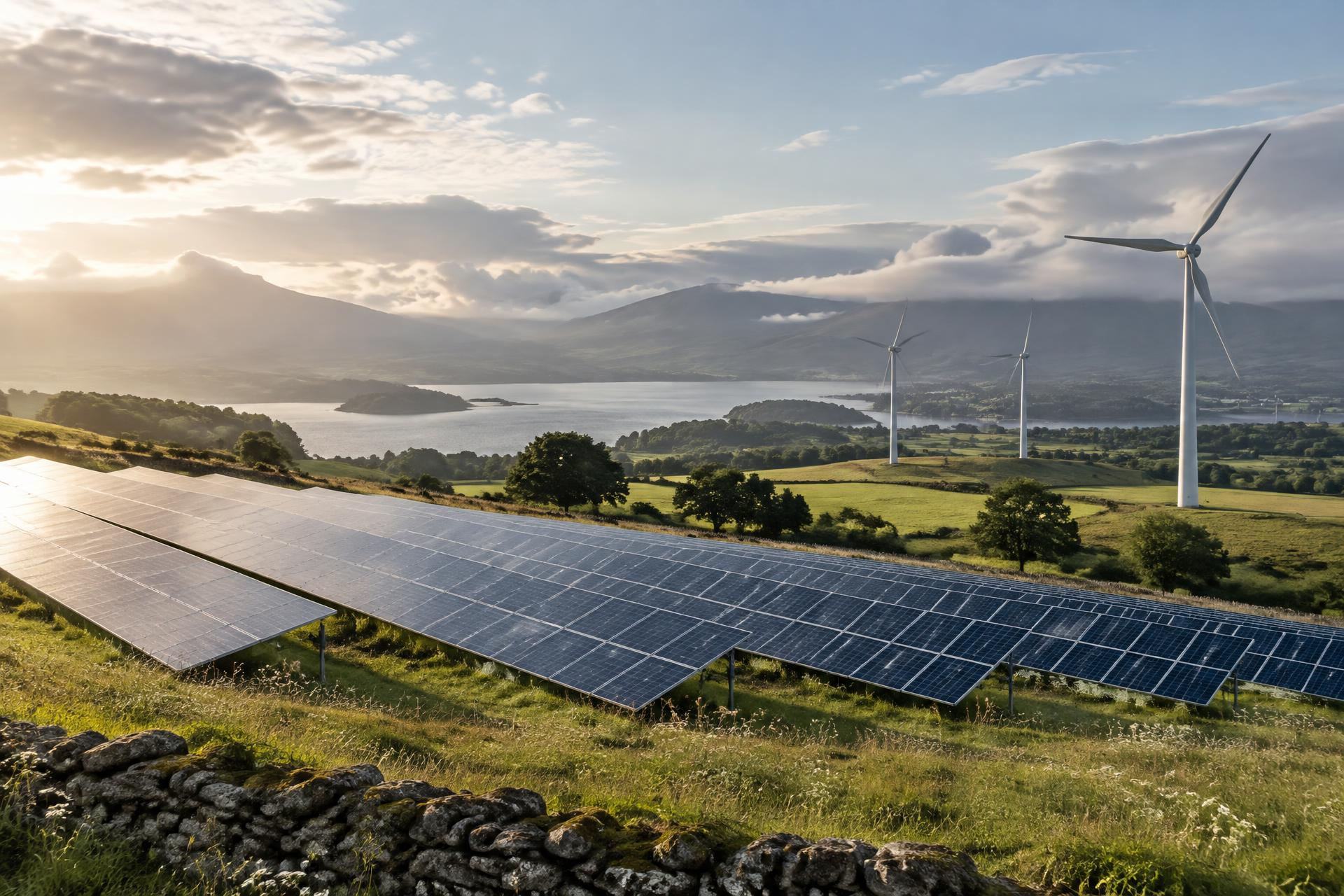
A useful power system is sized and configured around when energy is needed, what interruption costs and how the equipment will be maintained. That discipline separates an installation from a dependable service.
Demand, location and operating conditions should determine the technology choice.
Upfront cost is only one part of reliability and value.
Systems improve when knowledge and responsibility remain available after commissioning.
Explain the organisation, the opportunity and the decision that matters now.